Power Tool Ergonomics: How to Prevent Hand, Wrist and Arm Injuries
Choose and use power tools to protect your hands, wrists and hearing: grip, posture, vibration limits, breaks and warning signs, from OSHA and NIOSH.
Author
Choose and use power tools to protect your hands, wrists and hearing: grip, posture, vibration limits, breaks and warning signs, from OSHA and NIOSH.
Shop vac and tool-port dust collection accessories explained: cyclone separators, HEPA filters, hoses and anti-static parts, with fire and health limits.
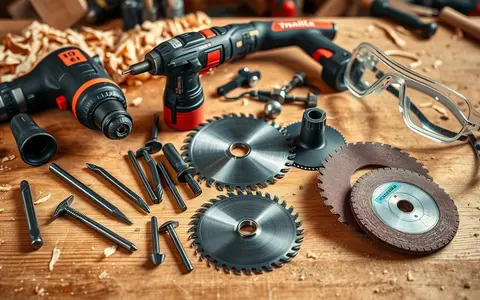
Which power tool accessories change results and safety most: sharp blades, rated wheels, clamps, dust control, guides and protective gear.
Which spray gun tips, nozzles and cups to use for latex, stain and enamel, with manufacturer tip codes, thinning limits and fire and vapor rules.
Choose a ceiling storage rack, read its load rating the right way and check your joists first. Uses SafeRacks and Fleximounts manufacturer data.
Strip old paint safely: test for lead first in pre-1978 homes, know the EPA RRP rules, avoid banned methylene chloride, and use heat or strippers safely.
What paint coverage numbers mean, when one coat is enough and when you need two, with coverage and recoat figures from three paint makers.
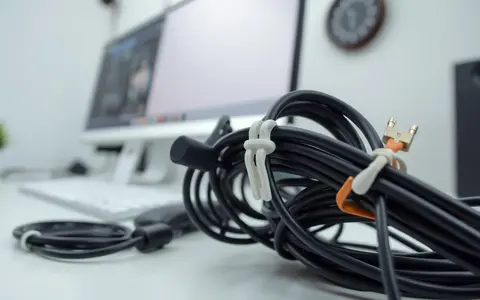
Organize power cords and low-voltage cables neatly and safely: bundling, labeling, cord covers, what never to do, and when a pro should add outlets.
Build a safe power-outage lighting kit with flashlights, lanterns and rechargeable lights, plus candle, battery and generator rules from CPSC and Ready.gov
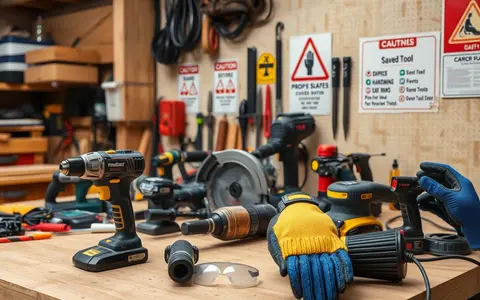
Ten power tool safety mistakes DIYers make, why each one hurts people, and the fix, based on OSHA, CPSC and manufacturer manual guidance.