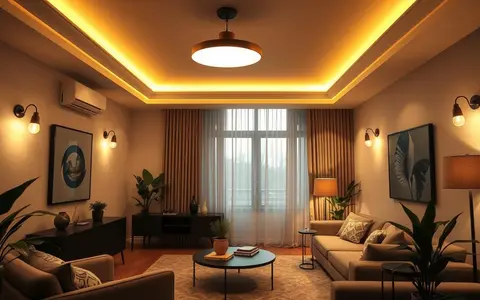
Energy-Efficient Lighting: How Much You Save and How to Choose
See what energy-efficient lighting saves, work out your own payback, and choose bulbs by lumens and kelvin so your rooms stay warm and stylish.
Author
See what energy-efficient lighting saves, work out your own payback, and choose bulbs by lumens and kelvin so your rooms stay warm and stylish.
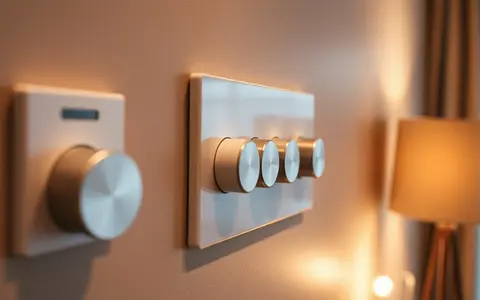
Install a dimmer switch safely: match it to your bulbs, shut off and test the circuit, wire a single-pole or 3-way dimmer, and know when to call a pro.
Store leftover paint so it lasts: seal the can, keep it at 60 to 80 degrees Fahrenheit, know its shelf life, spot spoilage and recycle old paint.
Fix a wet yard: find the water source, grade 6 inches in 10 feet away from the house, then add swales, a French drain or a dry well where needed.
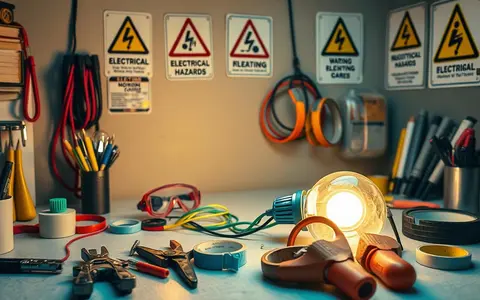
Safe DIY lighting work: shut off the breaker, prove the circuit dead, check wet-location ratings, box support and clearances, and know when to call a pro.
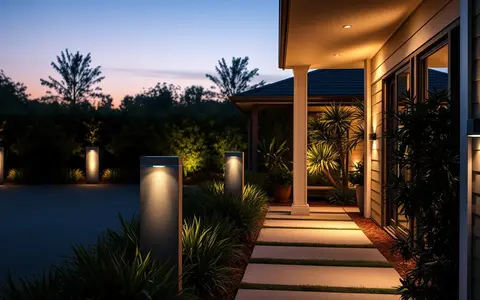
Install a motion sensor light safely: pick the type, replace a fixture step by step, set range and sensitivity, walk-test it, and fix false triggers.
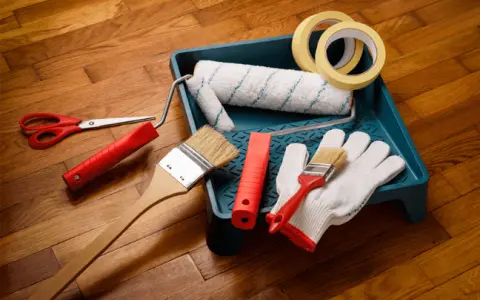
The 8 surface-prep tools to own before you paint: scraper, sanding gear, patching compound, caulk, tape, drop cloths, cleaners and a respirator.
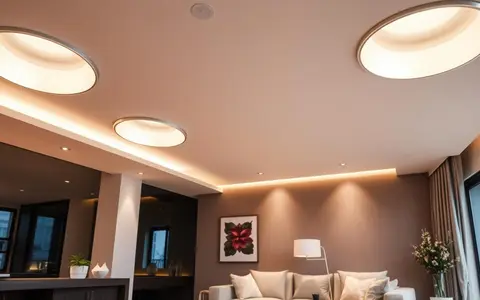
Recessed lighting explained: IC vs non-IC housings, insulation clearances, airtight sealing, how many lights you need, and what to leave to an electrician.
Fix loose chairs, sticking doors, loose hinges, small wall holes and slow drains with basic hand tools, plus when to stop and call a pro.
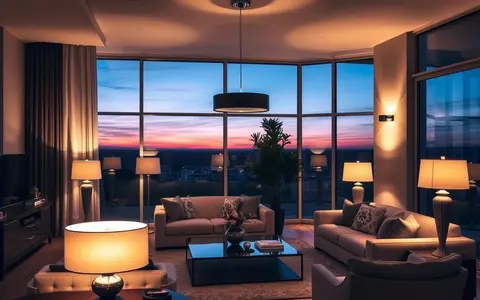
Build a lighting plan for every room: layered lighting, lumens and footcandles, color temperature, CRI and dimming, with links to each install guide.